
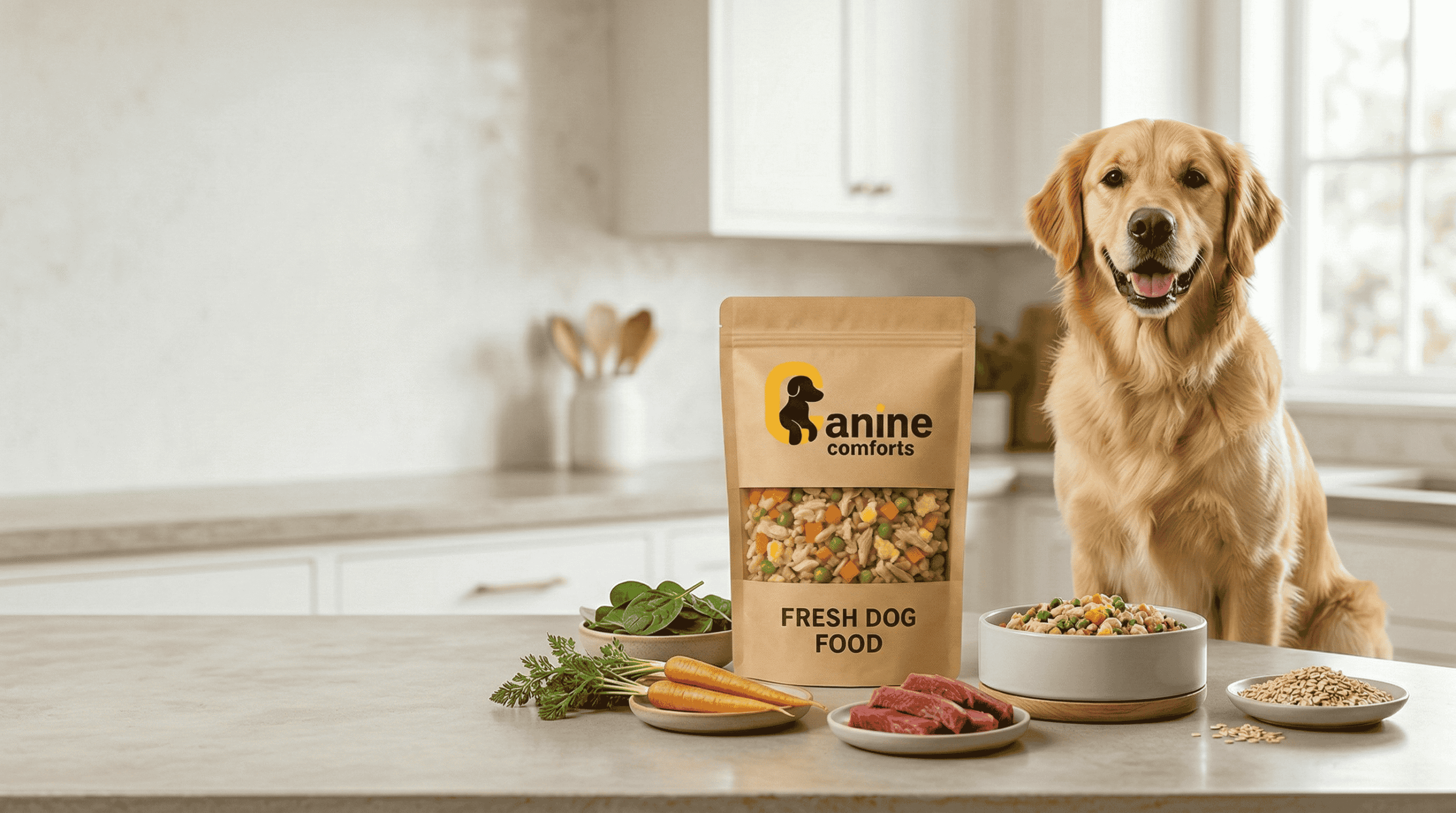

In recent years, conversations around human nutrition have taken center stage — organic foods, clean labels, balanced diets. But quietly, another equally important discussion is emerging: canine nutrition. Across cities and towns, awareness programmes on dog nutrition are helping pet parents understand a simple truth — food is not just filling a bowl, it is shaping a life.
As a journalist covering the evolving pet care landscape in India, one thing is clear: the health of our dogs begins in the kitchen.
Why Canine Nutrition Awareness Is Crucial
Veterinarians across the country report a steady rise in lifestyle-related health issues among dogs — obesity, skin allergies, digestive disorders, diabetes, and joint problems. Much like humans, these conditions are often linked to diet.
Awareness programmes aim to educate pet parents about:
- Understanding ingredient labels
- The difference between fillers and functional nutrition
- The importance of protein quality
- Portion control and calorie balance
- Breed-specific and age-specific dietary needs
A growing number of experts point out that nutrition in a dog’s first year can significantly impact immunity, bone development, and long-term vitality.
What These Awareness Programmes Typically Cover
From veterinary clinics to pet community meetups, canine nutrition awareness sessions usually focus on practical, science-backed guidance:
Fresh vs. Processed Diets
Discussions often compare dry kibble, wet food, home-cooked meals, and fresh subscription-based models. The emphasis remains on balance — ensuring the dog receives adequate protein, fats, fiber, vitamins, and minerals.
3. Life-Stage Nutrition
Puppies, adult dogs, and senior dogs require different nutritional profiles. Large breeds, for example, need controlled calcium levels to prevent joint stress.
4. Common Myths
- “Dogs can eat everything humans eat.”
- “More protein causes aggression.”
- “Homemade food automatically means balanced food.”
Awareness programmes challenge such misconceptions with veterinary evidence.
The Indian Context: A Growing Need
India’s urban pet population has grown rapidly in the last decade. With that growth comes a surge in commercial pet food options. However, not all products meet optimal nutritional standards.
Pet care brands and startups — including homegrown initiatives like Canine Comforts — are increasingly organizing educational drives, social media campaigns, and interactive Q&A sessions to bridge the knowledge gap. These efforts are not just marketing; they reflect a broader cultural shift toward responsible pet parenting.
In cities like Bengaluru, Mumbai, and Delhi, veterinary professionals emphasize preventive health — and nutrition is the foundation.
Impact on Dog Health and Longevity
Dogs fed balanced diets typically show:
- Improved coat shine
- Better digestion
- Higher energy levels
- Stronger immunity
- Healthy weight maintenance
Over time, proper nutrition reduces the risk of chronic disease and enhances lifespan.
The Way Forward
Awareness alone is not enough — it must translate into informed choices. Pet parents are encouraged to:
- Consult veterinarians before switching diets
- Avoid sudden dietary changes
- Monitor body condition scores regularly
- Prioritize quality over price
As the pet care industry expands, education must remain at its core. Because at the heart of every awareness programme lies a simple message: A well-fed dog is not just full — it is thriving.
In the end, canine nutrition awareness is not merely a campaign. It is a movement toward healthier, happier companions — one bowl at a time.
